
 +86-0515-86223369
  0
0



















Om du behöver hjälp får du gärna kontakta oss
 Products & Solutions
 sv
sv

Vad får kvartskristallprodukter att resonera så tydligt?
Vad är Kvartskristall sångprodukter och hur fungerar de?
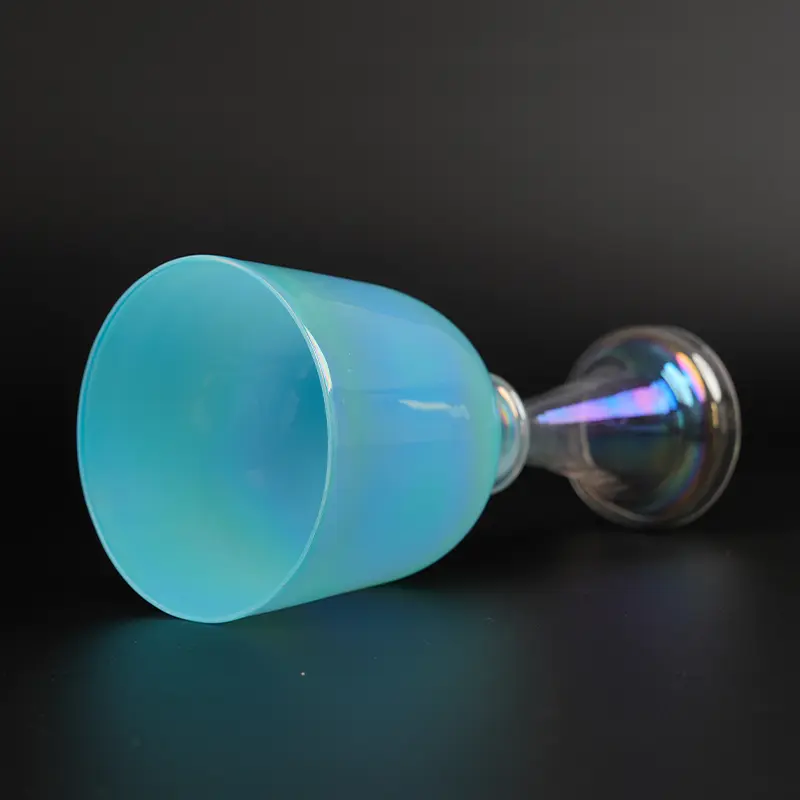
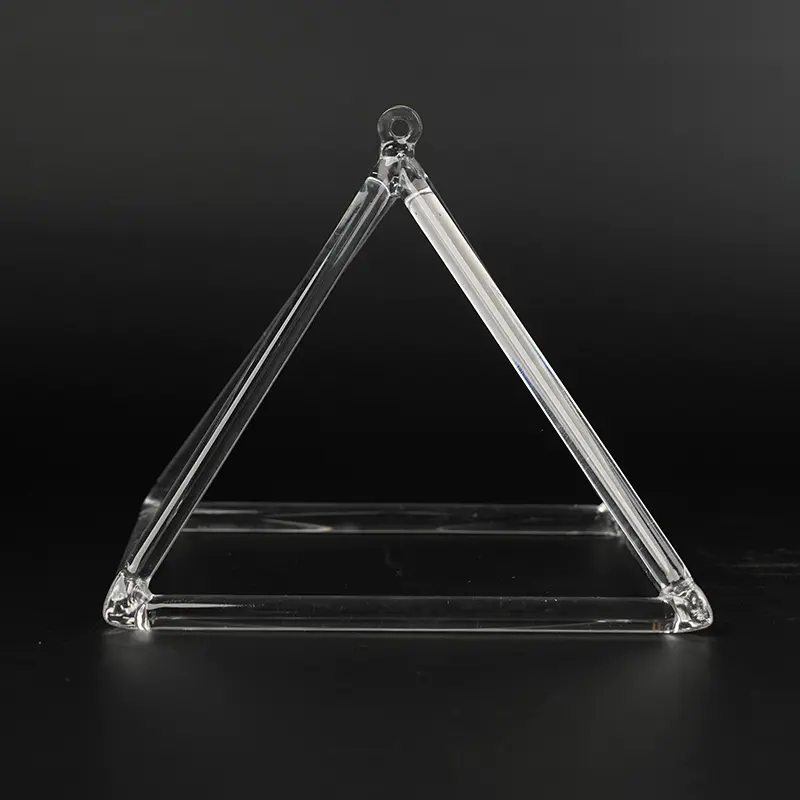
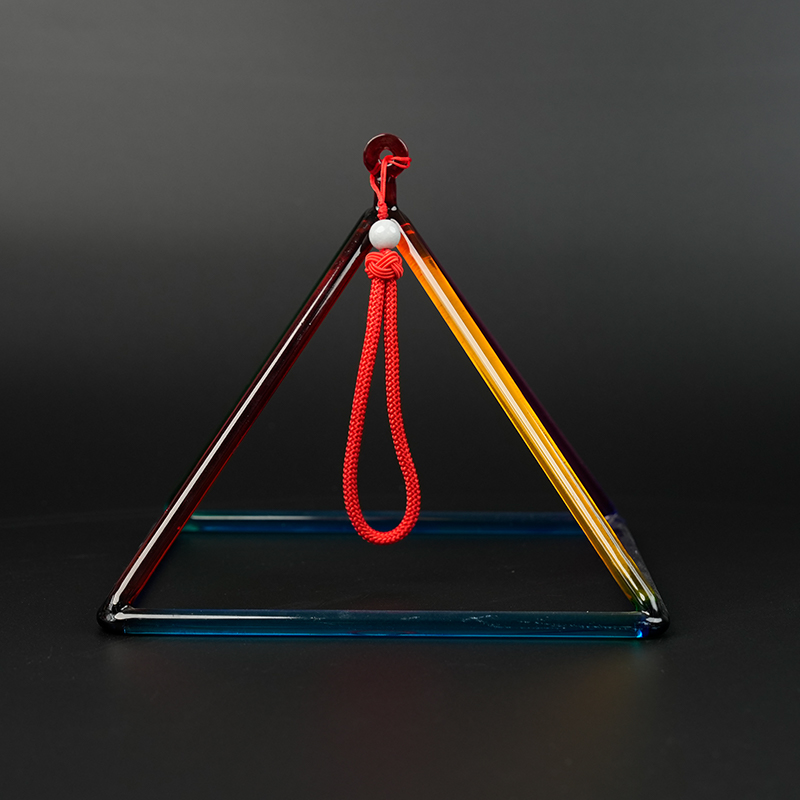
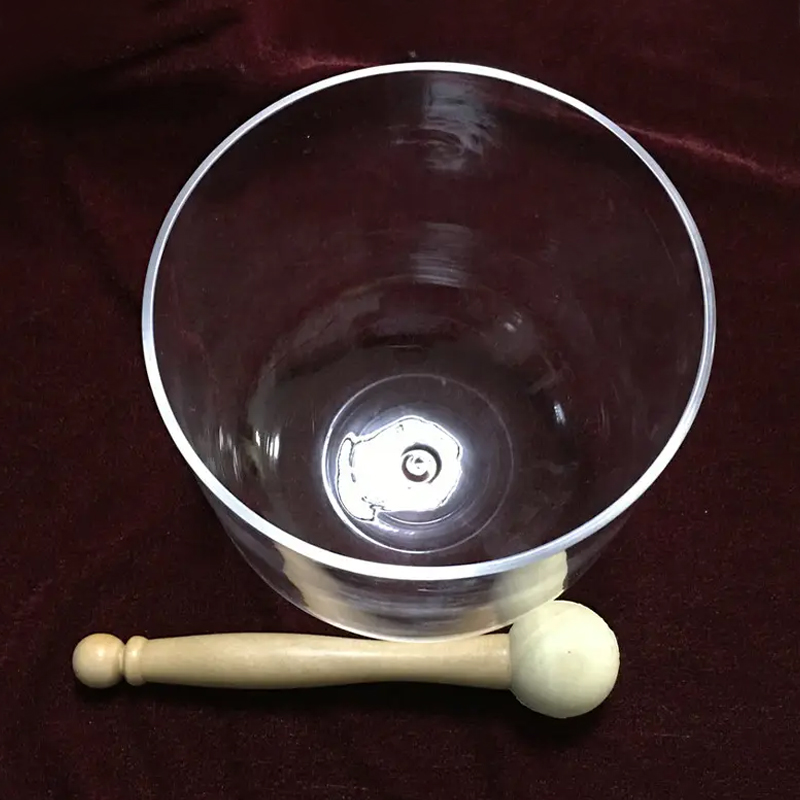
Kvartskristallsångsprodukter är ljudproducerande instrument gjorda av optiskt klart eller frostat kvartsmaterial, formade till former som skålar, pyramider, stämgafflar, harpor och klockspel, och utformade för att släppa en lång, ihållande ton när kristallytan exciteras av en klubba, anfallare eller pilbåge. I direkta termer omfattar kategorin Kristall sångskål , den Klar kristall sångskål , den Yoga Crystal sångskål , den Kvarts heliga gral , den Genomskinlig Kristall Sjungande Pyramid , den Färgad kristall sångpyramid , den Klar Kvartskristall Merkaba , den Kristallsjungande harpa , Kvarts stämgafflar , och 7 Chakra Bambu Wind Chimes Bells set. Varje föremål är tillverkat av kiseldioxidbaserat kristallmaterial som har smälts, formats och långsamt kylts så att den färdiga väggtjockleken, krökningen och densiteten är tillräckligt konsekvent för att upprätthålla en ren vibration snarare än ett matt eller ojämnt ljud. Själva tonen skapas inte av elektricitet eller ett batteri; det är en mekanisk resonanseffekt, som skapas när friktion eller stötar sätter den kristallina strukturen i ett upprepat vibrationsmönster som det mänskliga örat uppfattar som en jämn, ringande tonhöjd. Detta mekaniska ursprung är varför kvaliteten på den råa kvartsen, och precisionen i formningsprocessen, har en så direkt och mätbar effekt på hur ren, stabil och långvarig den resulterande tonen kommer att bli.
Den här guiden är skriven för köpare, distributörer, studioägare och inköpsteam som vill ha en praktisk, faktabaserad referens om sångprodukter med kvartskristall, snarare än en allmän översikt av ljudläkande kultur. Den går igenom materialvetenskapen bakom tonklarhet, de praktiska skillnaderna mellan skålstilar och pyramidstilar, frekvenskonventionerna som används över 7 chakrasystemet och tillverkningsstandarderna som skiljer en laboratoriekvalitets smält kvartsprodukt från ett vanligt dekorativt glasobjekt. Datapunkter om renhet, frekvens och marknadskontext hämtas från publicerade tekniska och industrikällor och presenteras med den relevanta referensen som anges i texten. Genomgående förblir diskussionen beskrivande och pedagogisk: sunda healingtraditioner beskriver subjektiva, välbefinnande-orienterade upplevelser, och den här artikeln presenterar dem som vanligt rapporterade metoder snarare än kliniskt verifierade medicinska resultat.
Vetenskapen bakom kvartsresonans och tonrenhet
Klarheten i tonen i någon Kvartskristall sångprodukter artikeln beror på tre fysikaliska faktorer: renheten hos kiseldioxidhalten (SiO2), likformigheten i väggtjockleken och frånvaron av inre spänningar eller mikrobubblor som blir över från formningsprocessen. Vanligt kommersiellt glas, den typ som används i vardagsflaskor och fönster, innehåller vanligtvis en steller andel läsk och lime tillsammans med kiseldioxid, och denna blandade sammansättning dämpar vibrationer och förkortar sustain. Borosilikatglas av laboratoriekvalitet förbättrar detta genom att höja kiseldioxidhalten och sänka alkalihalten, vilket är anledningen till att borosilikatlaboratoriet är uppskattat för termisk stabilitet, men det är fortfarande långt ifrån den renhet som behövs för en musikaliskt ren, långvarig ton. Smält kvarts och kristallkvarts, däremot, produceras av extremt ren kiseldioxidsand eller syntetisk kiseldioxid som smälts vid mycket hög temperatur och kyls under kontrollerade förhållanden, vilket är det som gör att en färdig skål eller gaffel ringer tydligt i många sekunder snarare än att blekna snabbt till en dov duns. Enligt patentlitteraturen om produktion av smält kvartsglas innehåller kommersiellt kvartsglas vanligtvis mellan 99,5 och 99,99 viktprocent kiseldioxid, medan material som beskrivs som kvarts med hög renhet överstiger 99,99 procent kiseldioxid med kontaminering som bara hålls på några dussin delar per miljon.
| Materialkategori | Typiskt SiO2-innehåll | Vanligt bruk |
|---|---|---|
| Standard soda-lime glas | Cirka 70 till 75 procent | Flaskor, allmänna glasvaror |
| Borosilikat laboratorieglas | Cirka 80 procent | Bägare, kolvar, värmebeständigt porslin |
| Smält kvarts / kristallkvarts | 99,5 till över 99,99 procent | Sångskålar, stämgafflar, optiska komponenter |
Det är också därför a Klar kristall sångskål or a Klar Kvartskristall Merkaba förväntas i allmänhet hålla en ton längre och jämnare än ett föremål tillverkat av blandat eller återvunnet glas: ju högre och mer konsekvent kiseldioxidhalten är, desto färre inre gränser finns det för att sprida ljudvågen när den färdas genom materialet. Frostade eller matt finishade skålar använder samma högren kvartsbas men ytbehandlas under efterbehandlingen, vilket påverkar utseendet snarare än den underliggande tonala fysik. Färgtillsatser som används i en Färgad kristall sångpyramid introduceras som kontrollerade mineral- eller oxidinneslutningar under smältsteget, och ansedd tillverkning håller dessa tillsatser tillräckligt små för att de ändrar glasets visuella ton utan att väsentligt kompromissa med resonanskvaliteten. Att förstå detta materialförhållande är den enskilt mest användbara bakgrundskunskapen för alla som jämför kvartskristallprodukter från olika produktionskällor.
Yoga Crystal sångskålar: Matchande storlek och anmärkning till övning
A Yoga Crystal sångskål väljs vanligtvis för användning i början eller slutet av en klass, under savasana, eller som en övergångsmarkör mellan poser, så prioriteringarna för denna inställning är en stabil bas, en bekväm slagyta och en ton som fyller ett rum utan att bli hård på nära håll. Instruktörer föredrar vanligtvis skålar i mellanklassen i intervallet 8 till 10 tum i diameter eftersom de producerar en ton som är hörbar i en studio utan att kräva överdriven kraft för att aktiveras, och eftersom deras sustain är tillräckligt lång för att stödja en hel andningscykel eller ett kort guidat meditationssegment. Skålar med frostad finish är populära i gruppmiljöer eftersom den matta ytan minskar bländning under studiobelysning, medan en Klar kristall sångskål väljs ofta för mindre privata sessioner där den visuella klarheten i kristallen är en del av den avsedda atmosfären. Valet av chakraton är generellt sett i linje med klassens avsikt: en grundton eller sakral ton nära början av en grundsekvens, och en hjärt- eller halsnot under ett långsammare, mer reflekterande segment.
| Diameterintervall | Allmän tonhöjdstendens | Typisk inställning |
|---|---|---|
| 6 till 7 tum | Högre tonhöjd | Personlig praktik, små rum |
| 8 till 10 tum | Mellanton | Yogaklasser, små grupper |
| 11 till 14 tum | Lägre tonhöjd | Ljudbad, större studior |
Utöver storleken bör studios inköpsskålar för upprepad daglig användning också väga väggtjocklek och basstabilitet, eftersom en skål som hanteras av flera instruktörer och studenter drar nytta av en något tjockare kant och en bredare, stabilare fotring. Silikon- eller tygringar används vanligtvis under skålen för att skydda både kristallen och golvytan, och en träklubba eller vadderad klubba rekommenderas generellt över en hård anslag för att skydda kanten från att flisa vid frekvent gruppanvändning.
Kvarts heliga gral och handtag Crystal sångskål med kosmiska ljusdesigner
Den Kvarts heliga gral är en skaftad, bägareformad variant av den traditionella skålformen, producerad med en fotfotad bas snarare än en platt, vilket förändrar både den visuella presentationen och hur vibrationer färdas genom verket. Eftersom skaftet isolerar den resonerande skåldelen från direkt kontakt med ett bord eller stativ, rapporterar många utövare att en välgjord helig gral bibehåller sin ton något längre än en motsvarande plattbottnad skål med samma diameter, eftersom mindre vibrationer absorberas i ytan den vilar på. Bägarens form gör också att instrumentet är lättare att lyfta och bära mellan positionerna under en session, vilket är en anledning till att det dyker upp ofta i solobaduppträdanden och på scen inför större publik.
En relaterad design, den Handtag sångskål i kristall med kosmiskt ljus , lägger till ett integrerat handtag till basen eller sidan av skålen tillsammans med ett internt belysningselement, vanligtvis ett litet batteri eller USB-driven ljuskälla inbäddad under en frostad eller etsad baspanel. Handtaget gör att en utövare kan lyfta och rotera skålen bekvämt under en livesession utan att behöva lägga ner den mellan tonerna, medan det interna ljuset skapar en glödande visuell effekt som är populär i kvällsbad, wellness-retreater och iscensatta föreställningar där atmosfären är en del av upplevelsen. Ur tillverkningssynpunkt är ljushuset monterat så att det inte kommer i direkt kontakt med den primära resonansväggen, eftersom en ojämn monteringspunkt annars kan skapa ett lätt surr eller dämpa tonens klarhet. Köpare som köper upplysta skålar i volym bör fråga om metoden för ljushus specifikt, eftersom denna detalj påverkar både akustisk prestanda och långtidshållbarhet mycket mer än den visuella finishen gör.
Chakrafrekvensreferens för skålar, gafflar och vindspel
En av de vanligaste frågorna som köpare ställer sig om Kvartskristall sångprodukter är hur en specifik not relaterar till ett specifikt chakra, och det ärliga svaret är att detta är en traditionell konvention snarare än en fast vetenskaplig standard, eftersom flera tonsystem cirkulerar inom sund healingpraxis. Den mest refererade konventionen bland sångskålsutövare tilldelar de sju tonerna i den västerländska solfegeskalan, C till B, till de sju huvudchakran i stigande ordning från rot till krona, med lägre toner tilldelade de lägre chakrana och högre toner tilldelade de övre chakrana. Denna konvention används vanligtvis för att märka en full Kvarts stämgafflar set samt en komplett 7 Chakra Bambu Wind Chimes Bells set, eftersom båda produkttyperna vanligtvis säljs som en samordnad grupp som täcker alla sju positioner snarare än som enstaka sedlar. En separat och lika vanlig konvention använder den så kallade Solfeggio-serien, som löper från 396 Hz upp till 963 Hz, och köpare bör bekräfta vilken konvention en leverantör använder innan de antar att de två systemen är utbytbara. Nedan är ett diagram som visar den traditionella notbaserade chakrafördelningen som används över de flesta produktlinjerna för skål, gaffel och klockspel, följt av en referenstabell med tillhörande not och allmänt frekvensområde för varje position.
| Chakra | Obs | Ca. Frekvens |
|---|---|---|
| Rot | C | Runt 256 Hz |
| Sakral | D | Runt 288 Hz |
| Solar Plexus | E | Runt 320 Hz |
| Hjärta | F | Runt 341 Hz |
| Hals | G | Runt 384 Hz |
| Tredje ögat | A | Runt 426 Hz |
| Krona | B | Runt 480 Hz |
Den donut chart above divides the seven chakra positions into equal segments purely for reference clarity, since the intention is to show note assignment rather than any claim about relative importance between chakras. Reading from the top of the ring clockwise, the sequence runs from the root chakra in the lower red-toned segment through to the crown chakra in the violet-toned segment, mirroring the same top-to-bottom body sequence practitioners use when working through a full set. This structure explains why a complete Kvarts stämgafflar set säljs nästan alltid i en grupp om sju stycken snarare än individuellt, eftersom utövare i allmänhet vill ha hela sekvensen tillgänglig för en komplett session. Samma logik gäller för a 7 Chakra Bambu Wind Chimes Bells set, där varje klocka eller rör är avstämd till en av de sju positionerna och klockspelen är vanligtvis arrangerade i stigande eller fallande ordning längs en bamburam. Det är värt att upprepa att de exakta hertzvärdena som visas i tabellen är ungefärliga och traditionella snarare än fasta fysiska konstanter, eftersom skåltillverkare kan flytta en anteckning något beroende på väggtjocklek, diameter och den specifika satsen kvarts som används. Av denna anledning anger välrenommerade leverantörer i allmänhet målnoten snarare än ett exakt enstaka frekvensnummer, och de tillåter en liten naturlig variation mellan individuella handgjorda bitar. Köpare som monterar en matchad uppsättning för en studio eller ett retreatcenter bör fråga om hela sjudelade uppsättningen har trimmats och testats tillsammans, eftersom blandning av skålar eller gafflar från olika produktionssatser ibland kan resultera i hörbar inställningsinkonsekvens över setet. Ur ett inköpsperspektiv hjälper förståelsen av denna frekvenskonvention också köpare att kommunicera mer exakt med en tillverkare, eftersom specificering av "G note, halschakra" är en mycket mer tillförlitlig orderspecifikation än en allmän begäran om "en mellanklass skål." Tabellen och tabellen tillsammans är tänkta att fungera som en snabbreferens under köpsamtal snarare än som ett definitivt vetenskapligt påstående om hur ljud interagerar med kroppens energisystem. Slutligen, eftersom denna konvention nu används konsekvent i de flesta kommersiella ljudläkande kataloger, ger den också detaljhandelsköpare ett gemensamt ordförråd när de jämför skålar, gafflar, pyramider och klockspel från olika produktionsserier inom samma beställning.
Skåldiameter och grundläggande frekvens: Det akustiska förhållandet
En andra, mer fysikbaserad fråga som regelbundet dyker upp i inköpskonversationer är varför en större Kristall sångskål producerar en lägre ton medan en mindre ger en högre ton, och det underliggande svaret är en okomplicerad akustisk princip snarare än något specifikt för kristall som material. Varje vibrerande kropp, oavsett om det är en gitarrsträng, ett trumhuvud eller den böjda väggen i en kvartsskål, har en grundfrekvens som är omvänt relaterad till dess storlek, vilket innebär att en större yta tar längre tid att slutföra varje vibrationscykel och därför ger en lägre tonhöjd. Detta är samma underliggande princip som förklarar varför en stor trumma låter djupare än en liten trumma, eller varför en längre gitarrsträng ger en lägre ton än en kortare vid samma spänning. I sångskålar i kristall är diameter den dominerande storleksfaktorn, även om väggtjocklek och total massa också spelar en sekundär roll för att flytta den exakta stigningen inom en given diameterklass. Spridningsdiagrammet nedan visar ett representativt, illustrativt förhållande mellan skåldiameter och ungefärlig grundfrekvens över ett vanligt kommersiellt storleksintervall, baserat på allmänna akustiska principer snarare än en enda laboratoriemätning av en exakt produktlinje.
Som diagrammet visar tenderar varje ytterligare tum diameter att sänka grundfrekvensen med ett måttligt, ganska konsekvent steg, vilket är anledningen till att tillverkare kan erbjuda ett komplett utbud av toner helt enkelt genom att producera skålar över en spridning av diametrar snarare än att behöva en annan produktionsmetod för varje tonhöjd. Den streckade referenslinjen representerar den allmänna nedåtgående trenden, medan de enskilda punkterna illustrerar att verkliga skålar samlas runt denna trend snarare än att sitta på den exakt, eftersom små variationer i väggtjocklek och kvartstäthet förskjuter varje färdig bit något. Detta är ett användbart diagram för köpare eftersom det förklarar en vanlig inköpsfråga direkt: om en lägre ton behövs för en rotchakraskål är den praktiska lösningen nästan alltid en större diameter snarare än ett annat material eller en annan efterbehandlingsprocess. Det förklarar också varför en liten Klar Kvartskristall Merkaba eller en kompakt bordsskiva pyramid tenderar att ge en högre, ljusare ton jämfört med en stor golvstående skål av samma allmänna kvartssammansättning. För inköpsteam är detta förhållande verkligen användbart under specifikationen, eftersom att begära "en 10 tums skål i mellanfrekvensområdet" ger en tillverkare ett exakt, testbart mål snarare än en vag tonal beskrivning. Det är också värt att notera att frekvens bara är en dimension av upplevd ljudkvalitet; sustainlängd, övertonsrikedom och volym vid en given slagkraft samverkar alla med frekvensen för att forma den slutliga lyssningsupplevelsen. En skål med tunnare väggar med en given diameter ger i allmänhet ett ljusare, mer övertonsrikt ljud än en skål med tjockare väggar med samma diameter, även om deras grundfrekvenser kan vara liknande. Detta innebär att två skålar som är inställda på samma ton fortfarande kan låta märkbart olika från varandra beroende på väggens geometri, vilket är en detalj som är värd att kontrollera under kvalitetsinspektion snarare än att anta att enbart noten definierar ljudet. För studior som beställer en komplett uppsättning över flera diametrar, är att begära en frekvensverifieringsrapport per styck, snarare än att förlita sig på enbart diameter, det mer tillförlitliga tillvägagångssättet för att säkerställa en konsekvent, matchad uppsättning vid ankomst. Slutligen överensstämmer detta förhållande mellan diameter och frekvens med den allmänna fysiken för resonanskroppar och är inte specifik för kvarts, vilket betyder att samma princip gäller oavsett om man jämför metallskålar eller kristallskålar, vilket är ett användbart sammanhang när man utvärderar tekniska påståenden från någon leverantör.
Transparenta och färgade kristallsångpyramider
Den Genomskinlig Kristall Sjungande Pyramid och den Färgad kristall sångpyramid tillämpa samma resonanskvartsprinciper som beskrivits ovan på en fyrsidig pyramidform snarare än en skålform, och själva formen har symbolisk betydelse i många meditations- och heliga geometritraditioner som använder pyramidformer som en samlingspunkt för stillhetsövningar. Strukturellt resonerar de platta panelerna i en pyramid något annorlunda än den böjda väggen i en skål, och producerar i allmänhet en något mer fokuserad, riktad ton när de träffas nära en panels mittpunkt jämfört med den mer rundstrålande spridningen av en skåls ton. En genomskinlig pyramid visar upp den naturliga optiska klarheten hos kristallkvarts med hög renhet och väljs ofta som mittpunkten för ett meditationsaltare eller en utställningshylla där ljustransmission genom materialet är en del av den visuella överklagandet. En färgad variant introducerar en kontrollerad mineralton under produktionen, och olika färger förknippas ofta informellt med olika chakraintentioner, enligt samma färgkonventioner som används i chakradiagrammet som visats tidigare i den här artikeln, till exempel en grön nyans associerad med hjärtchakrat eller en violett nyans associerad med kronchakrat.
Eftersom pyramider ofta används som stationära meditationsobjekt snarare än instrument som slås upprepade gånger under en session, prioriterar köpare ofta basstabilitet och kantavslutning framför portabilitet. En väl färdig pyramid ska sitta plant på alla fyra baskanterna utan att gunga, och spetsen lämnas i allmänhet något trubbig under efterbehandlingen för att minska risken för flisning under frakt och hantering. Vissa utövare använder en pyramid enbart som en visuell och symbolisk fokuspunkt utan att träffa den alls, medan andra aktiverar den kortvarigt med en liten klubba eller genom att försiktigt köra en mockalindad anfallare längs ena kanten, så tillverkare som tillverkar pyramider för wellness-marknaden behöver vanligtvis ta hänsyn till både användningsfallen i den slutliga poleringen och kantbehandlingen.
Klar Kvartskristall Merkaba och Kristallsjungande harpaa
Den Klar Kvartskristall Merkaba tar sin form från två sammankopplade tetraedrar, en form som i flera esoteriska traditioner och meditationstraditioner refereras till som en symbol för balans mellan motsatta energier, och den produceras vanligtvis som en mindre handhållen pjäs snarare än ett stort golvinstrument. På grund av dess kompakta storlek och mångfacetterade yta används en merkaba mer allmänt som ett handhållet meditationsverktyg, ett rutnätsverk placerat bredvid andra kristallstycken, eller ett dekorativt föremål snarare än som ett primärt ljudproducerande instrument, även om vissa större merkababitar är färdiga med tillräckligt med massa för att producera en lätt resonanston när den knackas försiktigt. Köpare som köper merkaba-bitar för detaljhandelsvisning bör vara särskilt uppmärksamma på facettsymmetri och poleringskonsistens över punkterna, eftersom formens geometriska precision är en betydande del av dess visuella och symboliska dragningskraft.
Den Kristallsjungande harpa representerar en annan instrumentfamilj inom samma produktkategori, byggd som en strängad ram snarare än ett solidt resonanskärl, som vanligtvis kombinerar en ram med kvarts- eller kristallaccent med spända strängar som plockas eller böjs för att producera ton. Till skillnad från en skål eller pyramid, där hela kristallkroppen vibrerar som en enda resonansenhet, producerar en sjungande harpa sin primära ton från den vibrerande strängen medan kristallramen bidrar med sekundär resonans och visuell presentation. Detta gör harpan till ett användbart komplementinstrument i en ljudläkande uppsättning, eftersom den kan lagra en melodisk, ihållande stråkton under de djupare grundtonerna som produceras av skålar, vilket ger utövarna en bredare tonal palett under en hel session. För tillverkare introducerar harpaproduktion ytterligare tekniska överväganden kring strängspänning och ramstabilitet som inte gäller skålar, pyramider eller gafflar, eftersom ramen måste hålla konsekvent spänning över tiden utan att deformeras eller spricka kristallelementen den är uppbyggd kring.
Kvartsstämgafflar: Precisionsfrekvensverktyg
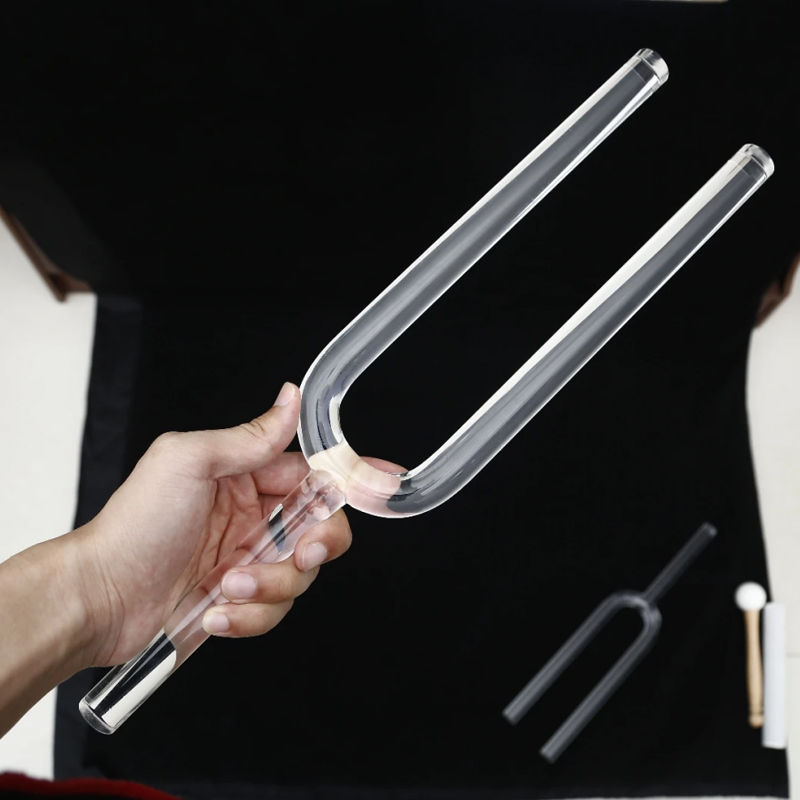
Medan skålar, pyramider och harpor vanligtvis används för att fylla ett rum med ett brett tonfält, Kvarts stämgafflar är designade för det motsatta syftet: att leverera en enda, exakt kalibrerad frekvens till en specifik, riktad plats, till exempel nära en viss punkt på eller ovanför kroppen under en en-till-en session. En stämgaffel består av två pinnar som vibrerar i opposition när de slås, vilket ger en mycket ren ton med minimalt övertonsinnehåll jämfört med en skål, varför gafflar ofta beskrivs som mer kliniska eller precisa instrument inom den bredare ljudläkande verktygslådan. Gafflar säljs i allmänhet i två konfigurationer: oviktade gafflar, som är lättare och används främst för att lyssna på nära håll nära örat, och viktade gafflar, som har extra massa anpassad till foten av pinnarna så att vibrationen kan kännas starkare när gaffelns skaft placeras direkt mot huden eller hålls nära kroppen. En komplett Kvarts stämgafflar set följer vanligtvis samma sju-toners chakrakonvention som beskrivits tidigare, vilket gör att en utövare kan röra sig systematiskt genom varje position under en session med samma referensfrekvenser som tillämpas konsekvent över skålar, gafflar och klockspel.
Tillverkningsprecision är viktigare för stämgafflar än för nästan någon annan produkt i denna kategori, eftersom hela värdet av en gaffel ligger i dess förmåga att reproducera en specifik frekvens konsekvent och upprepade gånger över tusentals användningar. Ansedda produktionskörningar verifierar varje gaffel mot en kalibrerad referens innan förpackning, eftersom även en liten tillverkningsinkonsekvens är mycket mer märkbar i en enda ren ton än vad det skulle vara i det rikare, multi-övertonsljudet i en skål. Köpare som köper gafflar i bulk för kliniker, studior eller återförsäljning bör begära bekräftelse på att varje set har testats individuellt för frekvensnoggrannhet snarare än att anta enhetlighet över en produktionssats, särskilt för set som är avsedda att säljas som matchade, chakra-avstämda samlingar.
Växande globalt intresse för ljudläkande instrument
Ljudläkande instrument, inklusive sångskålar i kristall, stämgafflar och relaterade kvartsprodukter, ligger inom en bredare hälsokategori som har expanderat stadigt under de senaste åren i takt med att konsumenternas intresse för mindfulness, meditation och stressreducerande metoder har vuxit. Flera oberoende industrimarknadsundersökningspublikationer som täcker produktkategorin ljudterapi och ljudläkande har rapporterat marknadsvärden i låga miljarder US-dollar under de senaste åren, med beräknade sammansatta årliga tillväxttakter som vanligtvis citeras i det höga ensiffriga till låga tvåsiffriga intervallet under början av 2030-talet. Dessa rapporter identifierar konsekvent sångskålar som ett av de största produktsegmenten inom den bredare ljudläkande kategorin, tillsammans med stämgafflar och andra akustiska instrument, och de pekar på friskvårdsturism, adoption av yogastudior och integration i spa- och reträttmiljöer som återkommande tillväxtdrivkrafter. Diagrammet nedan visar en illustrativ, indexerad tillväxttrend som överensstämmer med den allmänna riktningen som rapporterats i dessa publikationer, med ett relativt index snarare än absoluta valutasiffror, eftersom specifika dollaruppskattningar varierar mellan enskilda analysföretag.
Detta områdesdiagram visar en stadig uppåtgående trend från ett basindex på 100 mot ungefär det tredubbla värdet under den visade perioden, vilket återspeglar det ihållande, sammansatta tillväxtmönstret som beskrivs i branschrapporterna som refereras till ovan snarare än en enda kraftig topp kopplad till en händelse. Den mjuka, kontinuerliga lutningen av kurvan är i sig meningsfull: till skillnad från kortlivade wellness-modenycker som ökar och sedan minskar kraftigt, har produktkategorin för ljudläkande uppvisat ett mönster av konsekvent flerårig tillväxt, vilket generellt är en mer tillförlitlig signal för långsiktig produktinköp och lagerplanering. För en Leverantör av ljudläkande instrument , stödjer denna typ av uthållig efterfrågekurva investeringar i dedikerad produktionskapacitet och kvalitetssystem snarare än att behandla kategorin som en kortsiktig trend att betjäna opportunistiskt. Tillväxtmönstret korrelerar också med den bredare expansionen av den globala friskvårdsekonomin, som flera publikationer inom hälsobranschen har beskrivit som att de har vuxit långt bortom biljonskalan de senaste åren, vilket ger en stor adresserbar marknadskontext inom vilken ljudläkande instrument representerar en växande nisch. För återförsäljare och distributörer är denna trendlinje ett användbart bevis när man bygger en långsiktig katalogstrategi kring sångskålar i kristall, stämgafflar, pyramider och klockspel, snarare än att behandla dessa produkter som en enda säsongskampanj. Det förklarar också varför ett ökande antal yogastudior, spa och wellness retreats har börjat lagra ett dedikerat urval av ljudläkande instrument som en stående del av deras tjänsteutbud snarare än ett engångsköp. Ur tillverkningssynpunkt motiverar en uthållig flerårig tillväxt av detta slag vanligtvis investeringar i mer konsekventa kvalitetskontrollprocesser, större produktionskapacitet och bredare produktsortimentsutveckling, eftersom leverantörer kan planera kring en hållbar efterfrågekurva snarare än att reagera på kortsiktiga toppar. Det är värt att notera att uppskattningar av marknadens storlek varierar meningsfullt mellan olika analysföretag beroende på metodik och produktomfattning, så indexet som visas här bör läsas som riktningsrepresentativt för den rapporterade trenden snarare än som en exakt prognos för ett enskilt företag eller produktlinje. Köpare som utvärderar en långsiktig leverantörsrelation bör också titta på en tillverkares kapacitetstrend under samma flerårsperiod, eftersom produktionsskala och kvalitetskonsistens tenderar att ha större betydelse för långsiktiga inköpsbeslut än något enskilt års marknadsstorlek. Slutligen förstärker detta tillväxtsammanhang varför konsekventa renhetsstandarder och frekvensnoggrannhet, som diskuterats tidigare i denna artikel, blir allt viktigare för leverantörer som konkurrerar på en expanderande marknad där köpare har fler jämförelsepunkter än tidigare år.
Tillverkningsprocess och renhetsstandarder
Att producera en konsekvent Kvartskristall sångprodukter linje i kommersiell skala kräver mer än att bara smälta kiseldioxidsand och hälla den i en form; det kräver kontrollerad inköp av råkvartsmaterial, exakt temperaturhantering under smältning och formning, och ett kylschema som är tillräckligt långsamt för att lindra inre stress som annars skulle försvaga det färdiga stycket eller matta dess ton. Val av råmaterial är den första kvalitetskontrollpunkten, eftersom naturligt förekommande kvartskristaller och bearbetad kiseldioxidsand varierar i spårmineralhalt beroende på deras geologiska källa, och tillverkare som producerar kvarts av optisk eller akustisk kvalitet väljer vanligtvis råmaterial som är specifikt screenat för låg metallisk förorening. Under formningen, oavsett om en skål snurras på ett formningshjul i svarvstil eller om en pyramid pressas och avslutas för hand, övervakas väggtjocklekens konsistens noggrant eftersom ojämn tjocklek är en av de vanligaste orsakerna till en inkonsekvent eller vacklande ton i ett färdigt stycke. Efter formning, glödgning, en långsam, kontrollerad avkylningsprocess, används för att lindra inre spänningar i kristallstrukturen, och att hoppa över eller skynda på detta steg är en av de vanligaste anledningarna till att en färdig skål eller pyramid kan spricka oväntat efter att ha lämnat verkstaden. Mätdiagrammet nedan illustrerar den allmänna renhetsnivån som kristallkvarts av optisk kvalitet och akustisk kvalitet normalt faller in i jämfört med en hel kiselhaltsskala på 0 till 100 procent.
Som nålpositionen illustrerar, sitter akustisk kristallkvarts längst ut med hög renhet av den övergripande kiselhaltsskalan, i allmänhet börjar omkring 99,5 procent och når långt över 99,9 procent för optiskt material och material av laboratoriekvalitet, i överensstämmelse med intervallen som rapporterats i patentlitteratur för smält kvarts som citeras tidigare i denna artikel. Denna renhetsnivå skiljer sig på ett meningsfullt sätt från den cirka 70 till 75 procent kiseldioxidhalt som är typisk för standardkonsumentglas, och det gapet är den primära tekniska orsaken till att kvartsprodukter av akustisk kvalitet kan upprätthålla en ren ton i många sekunder medan vanligt glas bara producerar ett kort, matt ljud när det träffas. Att nå och hålla denna renhetsnivå konsekvent över en produktionsserie kräver dedikerad smältutrustning, kontrollerade atmosfärsförhållanden och rigorös inspektion av inkommande material, vilket är anledningen till att produktion av akustisk kvarts vanligtvis hanteras av tillverkare med dedikerad kvartsglasexpertis snarare än allmänna glasvarufabriker. Enbart renhet är dock inte tillräcklig; smält- och glödgningsprocessen måste också undvika att introducera ny spänning eller bubblor, eftersom en hög renhet som kyls för snabbt fortfarande kan spricka eller ge en ojämn ton trots utmärkt råmaterialkvalitet. Av denna anledning testar erfarna tillverkare vanligtvis färdiga delar både visuellt, kontrollerar bubblor, streck och ytdefekter under inspektionsbelysning, och akustiskt, kontrollerar sustainlängden och tonernas klarhet, innan en bit godkänns för förpackning. Köpare som utvärderar potentiella leverantörer bör fråga direkt om typiska renhetsnivåer för kiseldioxid, glödgningsprocedurer och om färdiga delar genomgår ett akustiskt test utöver en visuell inspektion, eftersom dessa tre faktorer tillsammans avgör om en färdig produkt kommer att fungera konsekvent under år av regelbunden användning. Det är också användbart att fråga sig om en leverantörs processer för inköp och formning av kvarts används i en bredare katalog av kvartsglasprodukter, eftersom tillverkare som också tillverkar laboratoriekvalitetskvartsrör, kvartsdeglar och optiska kvartskomponenter vanligtvis också tillför en högre baslinje för processkontroll och materialtestning i sina ljudläkande produktlinjer. Denna korsapplikationsupplevelse är en av de mer tillförlitliga indirekta indikatorerna på tillverkningsdisciplin som är tillgängliga för en köpare som inte direkt kan inspektera en fabriks interna kvalitetskontrollsystem. Konsekvent renhet och glödgningsstandarder är i slutändan det som skiljer en hållbar, långvarig sångskål i kristall från ett dekorativt glasobjekt som råkar ha en liknande form, och denna distinktion blir särskilt viktig för köpare som köper i volym för upprepad professionell användning eller detaljhandel. Slutligen, eftersom bibehållen tonkvalitet beror på denna kombination av renhet och bearbetningsdisciplin snarare än på någon enskild faktor, är köparna generellt sett bättre tjänta av att utvärdera en leverantörs övergripande tillverkningsprocess snarare än att fokusera på renhetsprocentsiffror isolerat.
Om Yancheng Mingyang: En dedikerad leverantör av ljudläkande instrument
Yancheng Mingyang Quartz Products Co., Ltd. är ett företag specialiserat på produktion av kvarts och specialglasprodukter. Yancheng Mingyang Quartz Products Co., Ltd. är produktionsanläggningen för Jinzhou Mingde Quartz Glass Co., Ltd. i Jiangsu. Sedan starten har företaget utvecklats snabbt, introducerat avancerad teknik och produktionsutrustning hemma och utomlands samt kontinuerligt förbättrat och förfinat produktkvaliteten. Med sina egna fördelar har företaget utvecklat en mängd olika produkter som passar marknaden och möter olika kunders behov och har löst många akuta produktionsutmaningar för sina kunder.
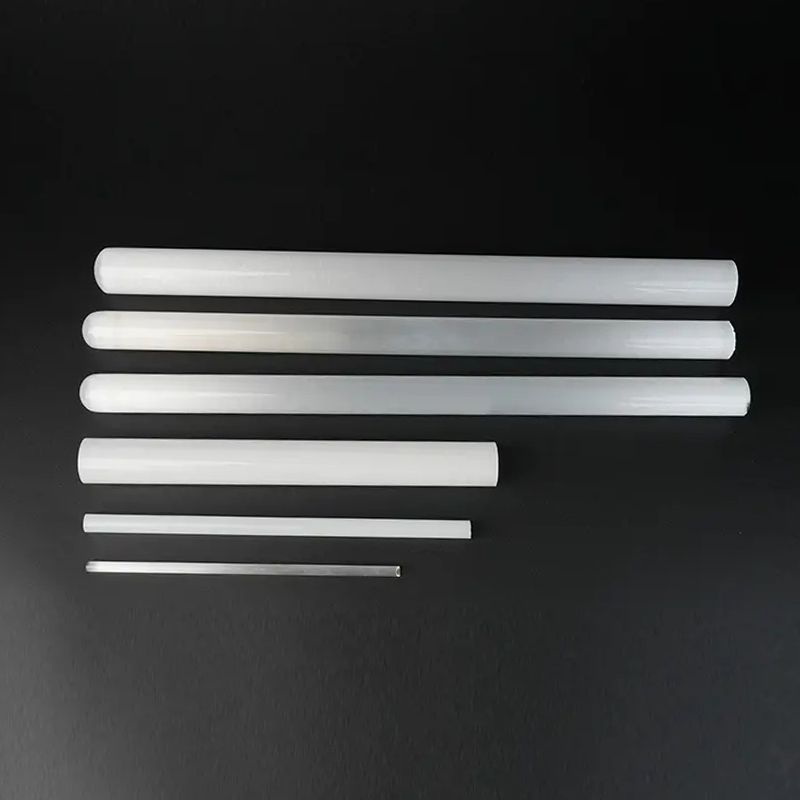
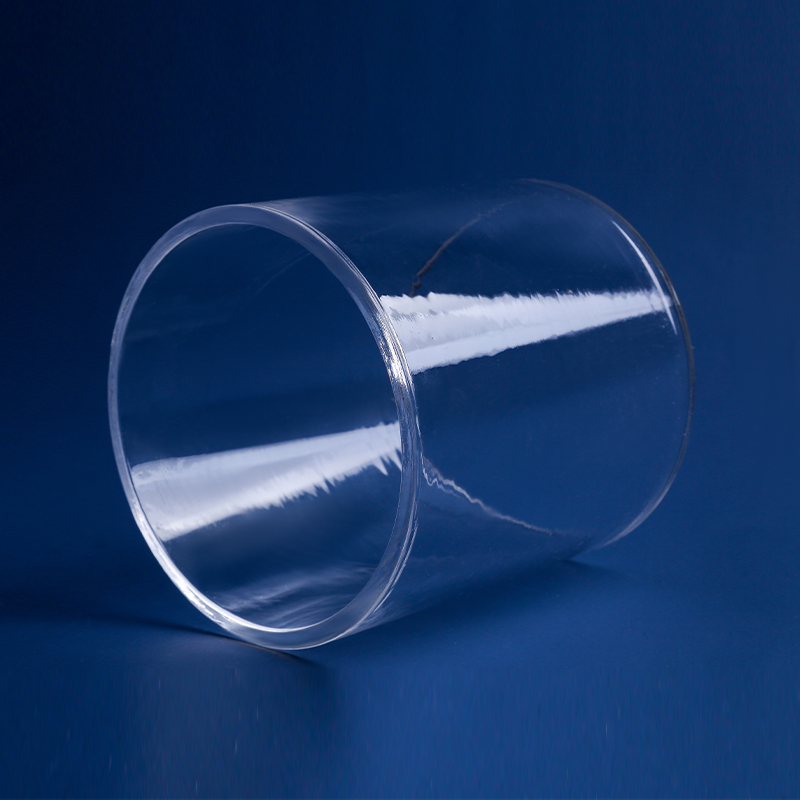
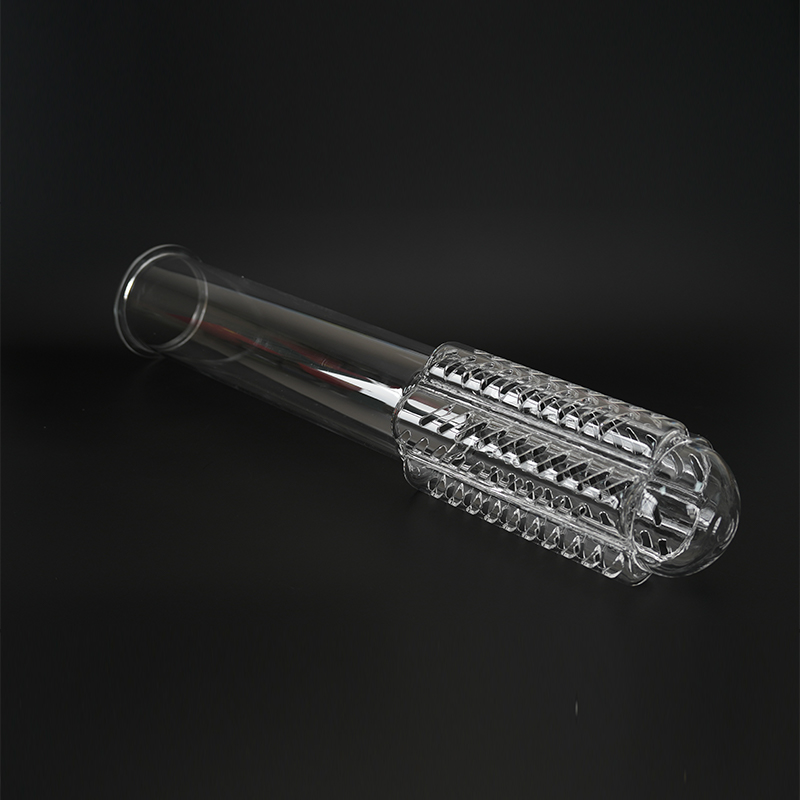
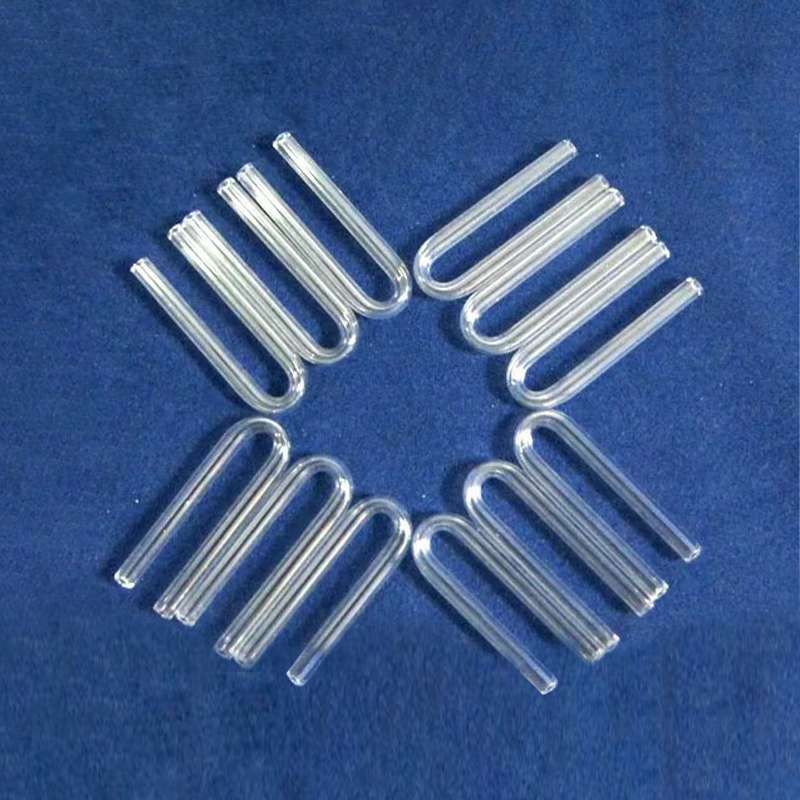
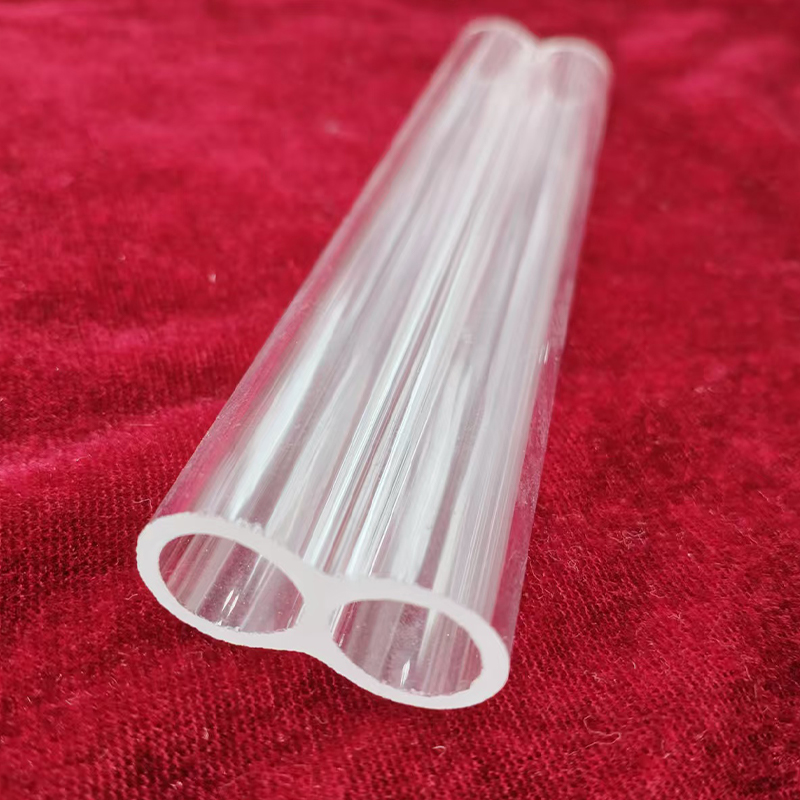
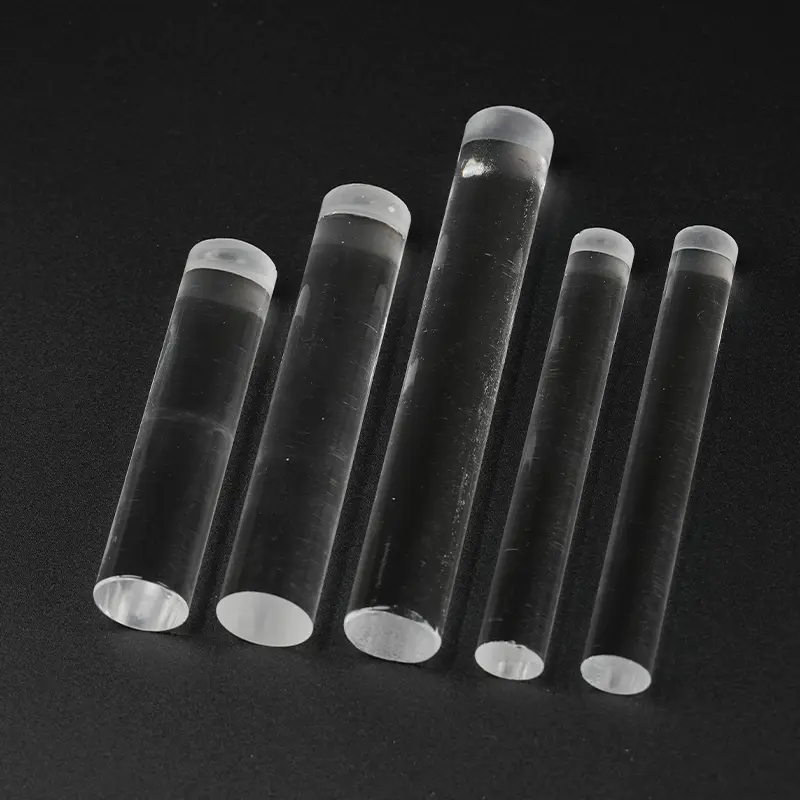
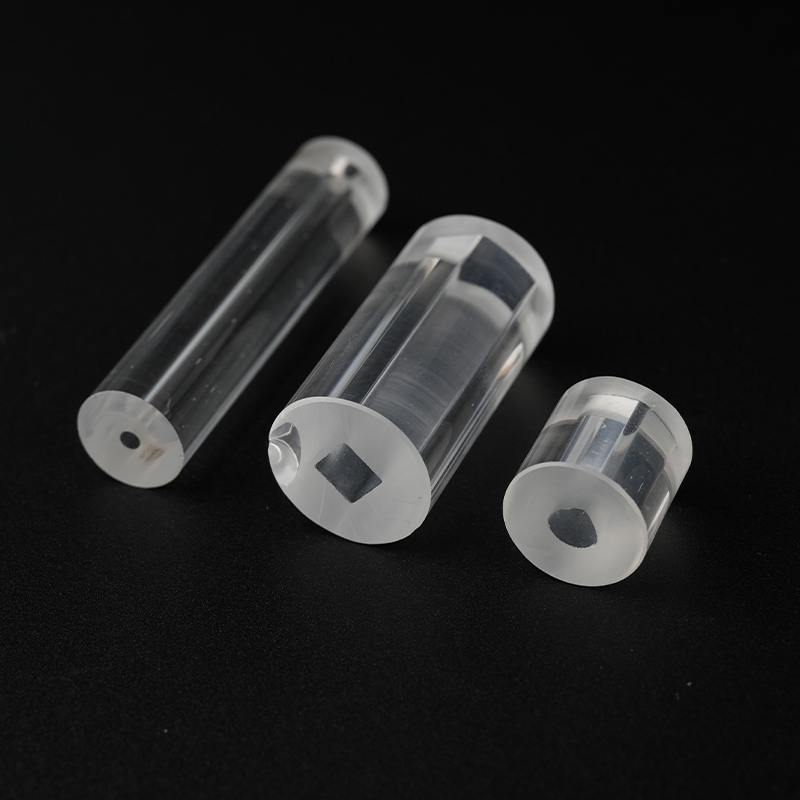
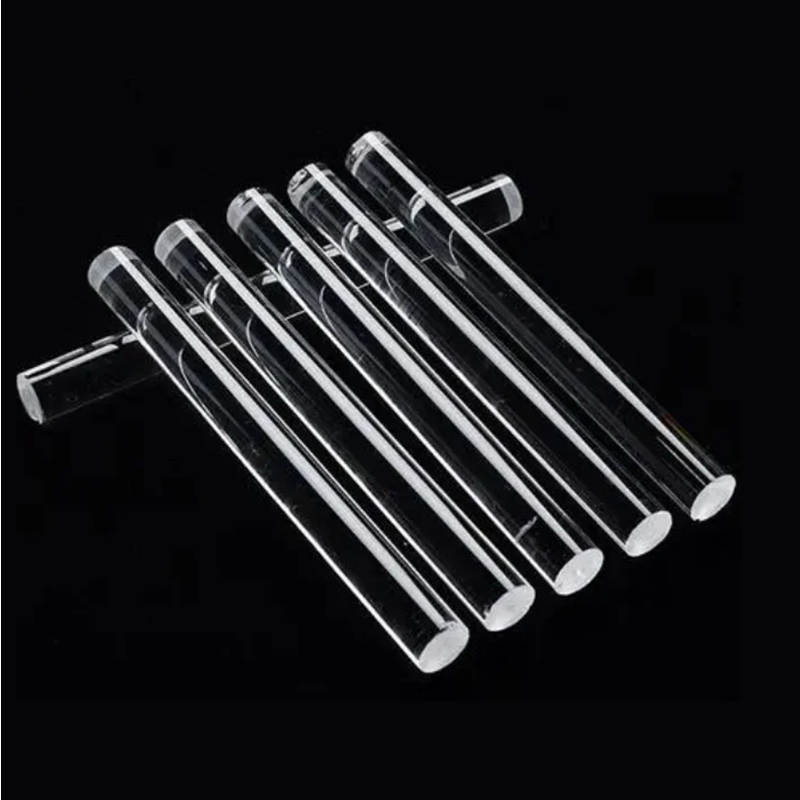
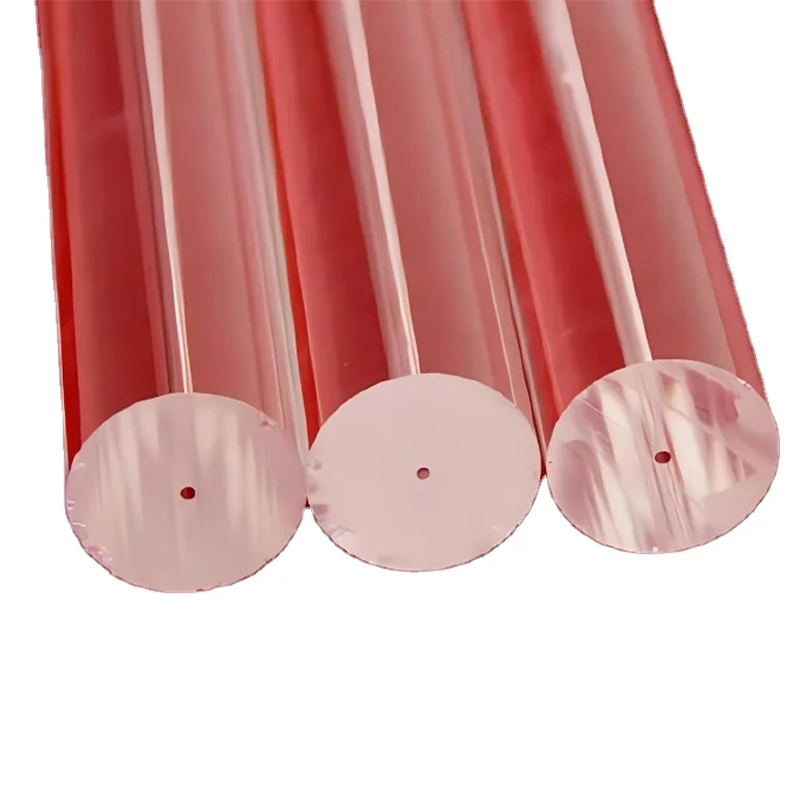
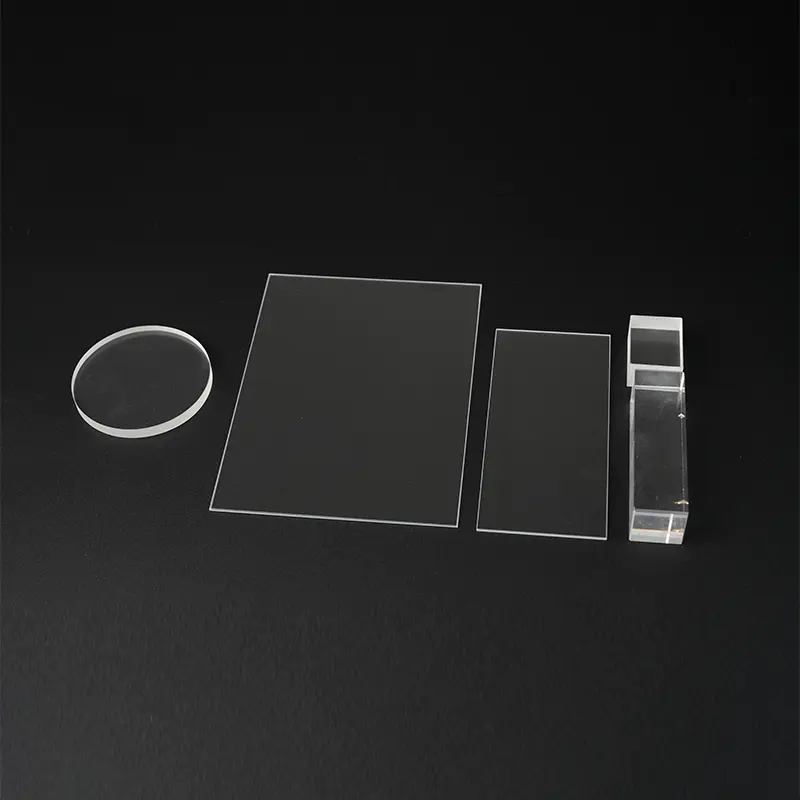
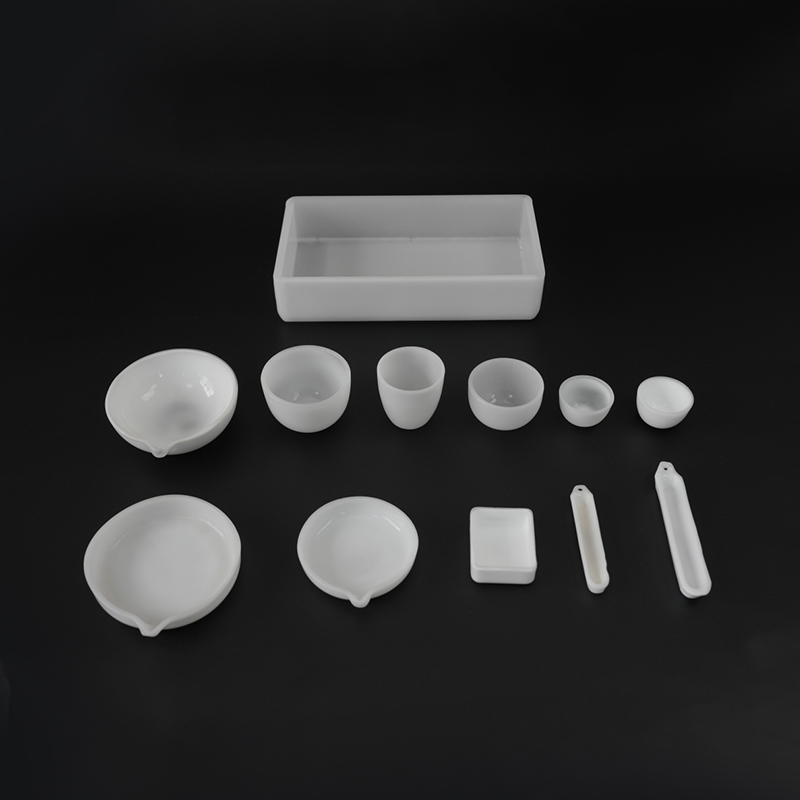
Den company's broader product range includes quartz glass tubes, double-hole quartz glass tubes, quartz glass rods, quartz sheets, sapphire windows, calcium fluoride glass windows, infrared and ultraviolet coatings, high-pressure resistant aluminosilicate glass window panels, quartz glass instruments, high borosilicate glass instruments, quartz crucibles, quartz gold-plated tubes, quartz heaters, quartz infrared heating tubes, far-infrared directional radiation heaters, ultraviolet germicidal lamps, and other special types of quartz glass products. This broader manufacturing foundation, particularly the experience gained producing high-purity quartz tubes and quartz crucibles for laboratory and industrial applications, feeds directly into the same purity control, forming precision, and annealing discipline required to produce a reliable Kvartskristall sångprodukter linje, inklusive sångskålar i kristall, stämgafflar i kvarts, sångpyramider och chakra-klockspel. Som en Leverantör av ljudläkande instrument Yancheng Mingyang tillämpar samma kategoriöverskridande kvalitetskontroll för ljudläkande produktutveckling, och behandlar akustisk klarhet och finishkonsistens som tillverkningsprioriteringar snarare än rent dekorativa frågor. Köpare och distributörer inköp a Kristall sångskål , Yoga Crystal sångskål , Kvarts heliga gral , sångpyramid, merkaba, sångharpa eller ett koordinerat chakraset i sju delar är välkomna att begära ytterligare tekniska detaljer om materialrenhet, storleksalternativ och efterbehandlingsval för att matcha en specifik studio, detaljhandel eller grossistkrav.
Skötsel, hantering och livslängd av kvartskristallsånginstrument
Kvartskristallprodukter är hållbara när de hanteras på rätt sätt, men som alla precisionsformade glasföremål drar de nytta av ett par konsekventa hanteringsvanor som på ett meningsfullt sätt förlänger deras arbetsliv och bevarar tonkvalitet över tiden.
- Lyft och bär alltid en skål, pyramid eller merkaba vid basen istället för kanten eller kanten, eftersom kanter och tunna kanter är de mest sårbara punkterna på alla kristallsånginstrument.
- Förvara varje del på en vadderad, halkfri yta som en silikon- eller tygring, som skyddar både basen och resonansväggen från vibrationsförluster och ytrepor.
- Undvik plötsliga temperaturförändringar, som att flytta en bit direkt från ett kallt fordon till ett uppvärmt rum, eftersom snabba termiska förändringar kan belasta kristallstrukturen vid upprepad exponering.
- Rengör ytan med en mjuk, torr eller lätt fuktad mikrofiberduk och undvik slipande rengöringsmedel eller grova material som kan repa en polerad eller frostad yta.
- Använd den klubba eller slagstift som rekommenderas av leverantören för varje specifikt instrument, eftersom en slagstift som är för hårt för ett visst stycke ökar risken för att fälgarna ska spricka vid upprepad användning.
- För en Handtag sångskål i kristall med kosmiskt ljus Håll det interna ljushöljet torrt och undvik att sänka basen, eftersom fuktexponering kan påverka ljuskomponenten även om själva kristallkroppen är vattentät.
Vanliga frågor
F1: Vad är skillnaden mellan en sångskål med klar kristall och en sångskål i frostad kristall?
Båda är vanligtvis gjorda av samma högrenhetskvartsmaterial. Skillnaden är ett ytbehandlingssteg: en klar skål lämnas med en polerad, transparent yta, medan en frostad skål ytbehandlas för att skapa ett matt utseende. Detta efterbehandlingsval påverkar utseendet snarare än de grundläggande akustiska egenskaperna hos pjäsen.
F2: Hur tilldelas en chakraton till en Crystal Singing Bowl eller Quartz Tuning Fork?
De flesta tillverkare följer den traditionella konventionen som tilldelar de sju västerländska solfege-tonerna, C till B, till de sju chakran i stigande ordning från rot till krona. Skålens och gaffelns diameter eller gaffelpinnens längd kalibreras under produktionen för att matcha målnoten i denna konvention, som beskrivs i chakrareferenstabellen tidigare i denna artikel.
F3: Vad skiljer Quartz Holy Grail från en vanlig sångskål?
Den Quartz Holy Grail uses a stemmed, footed goblet shape rather than a flat-bottom bowl shape. This design isolates the resonating portion from the surface it rests on and makes the piece easier to lift and carry during a session, which is why it is often used in solo performances and staged sound baths.
F4: Kan en Transparent Crystal Singing Pyramid eller Clear Quartz Crystal Merkaba användas för ljud såväl som meditationsvisning?
Ja, båda kan försiktigt aktiveras med en liten klubba eller mocka anfallare, även om många utövare också använder dem enbart som stationära visuella och symboliska fokuspunkter. En pyramid producerar i allmänhet en mer riktad ton från sina platta paneler, medan mindre merkababitar vanligtvis används mer för handhållen meditation än som ett primärt ljudinstrument.
F5: Vad bör en köpare kontrollera när han köper från en leverantör av ljudläkande instrument i bulk?
Fråga om typiska SiO2-renhetsnivåer, glödgningsprocessen som används för att lindra inre spänningar och om färdiga bitar är individuellt testade för frekvensnoggrannhet, särskilt för matchade chakrauppsättningar som täcker skålar, gafflar eller klockspel. En leverantör med bredare erfarenhet av att tillverka kvartsrör och deglar av laboratoriekvalitet tillför ofta ytterligare processdisciplin även i akustiska produktlinjer.
Utvalda produkter
Upphovsrätt © Yancheng Mingyang Quartz Products Co., Ltd. Alla rättigheter reserverade.
Grossist tillverkare av kvartsprodukter Kvartsglasfabrik